
Entrance emphasis
Use paths, planting, lighting direction, and facade contrast to make arrival clearer.
Curb appeal landscaping
Explore how planting, paths, lawn, entrance emphasis, paint, and exterior materials can work together around your actual property.


Start with one photo of your real space
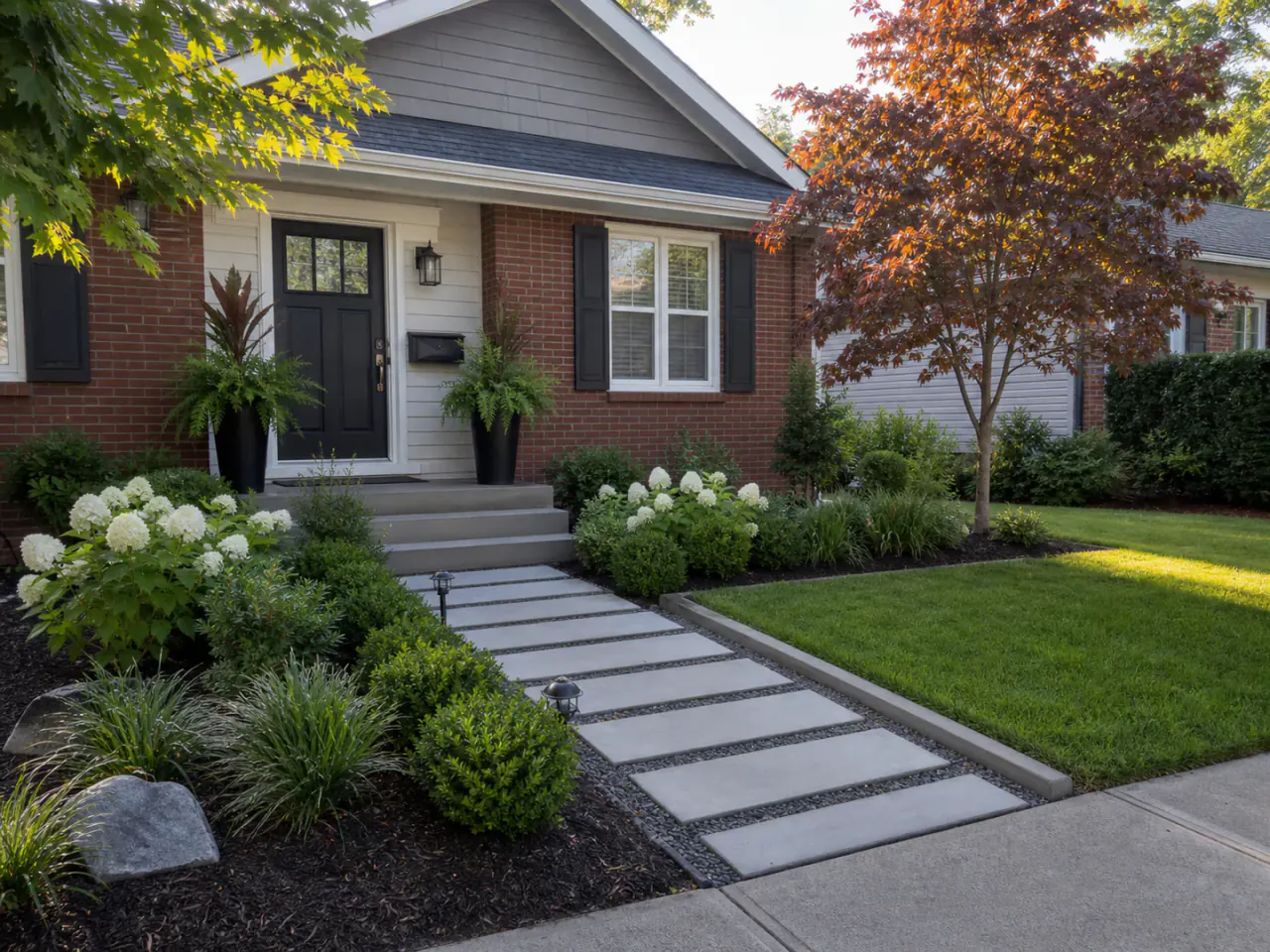
Curb appeal landscaping improves the visible relationship between a home’s facade, entrance, planting, lawn, paths, driveway, and street edge.
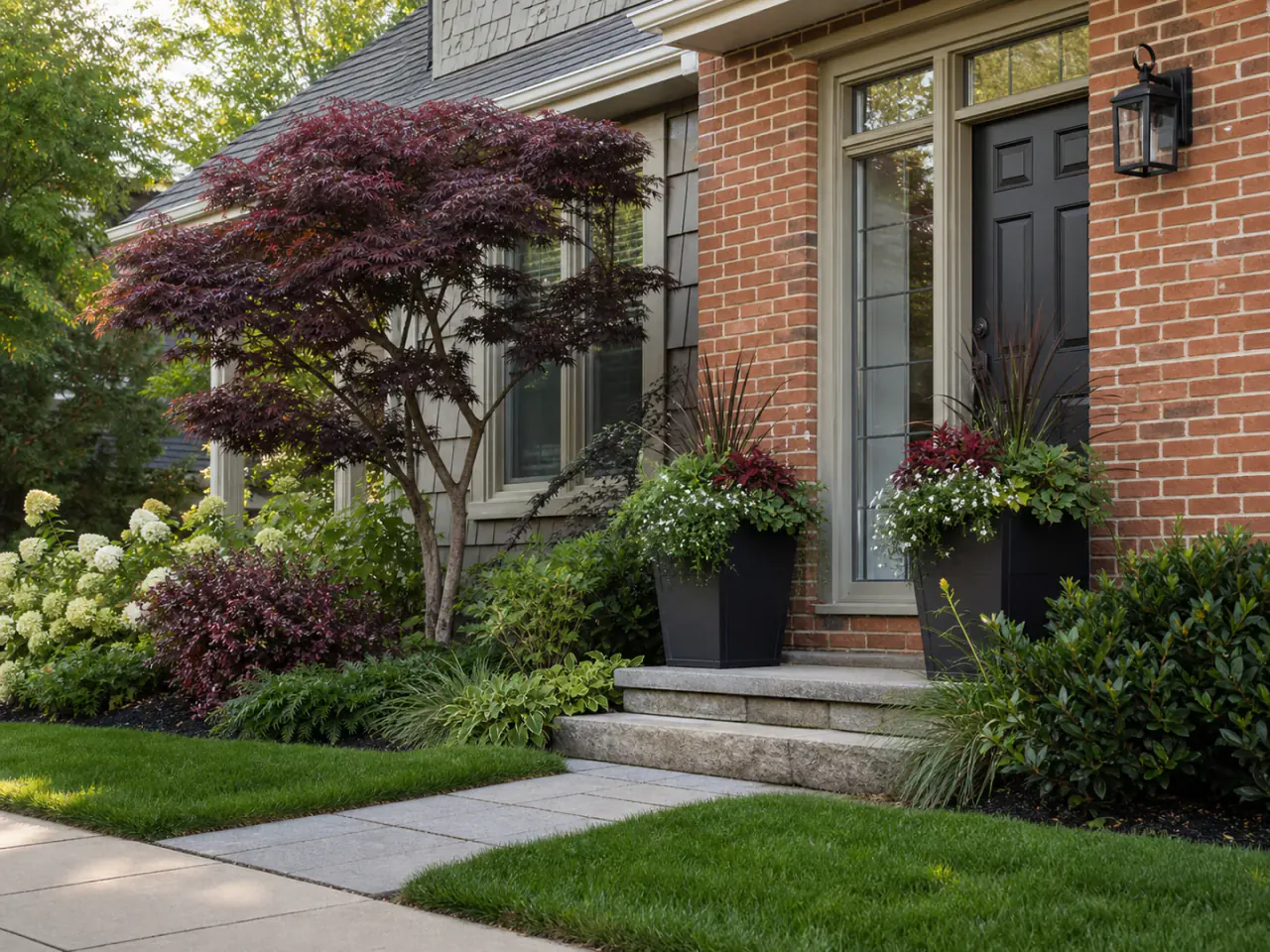
One visible composition
The strongest first impression comes from hierarchy: a clear entrance, a grounded facade, intentional planting, and fewer elements competing for attention.
What you can explore
Use paths, planting, lighting direction, and facade contrast to make arrival clearer.
Ground blank walls, preserve key windows, and avoid hiding the architecture.
Explore how lawn, beds, fences, hedges, and the street edge shape the first view.
Compare whether paint, trim, shutters, paths, and planting now belong to the same direction.
Visual decisions in context
Each example should help narrow a real renovation question—not simply add another inspiration image.
Use a street-facing photo to evaluate the whole composition rather than designing the facade and yard separately.
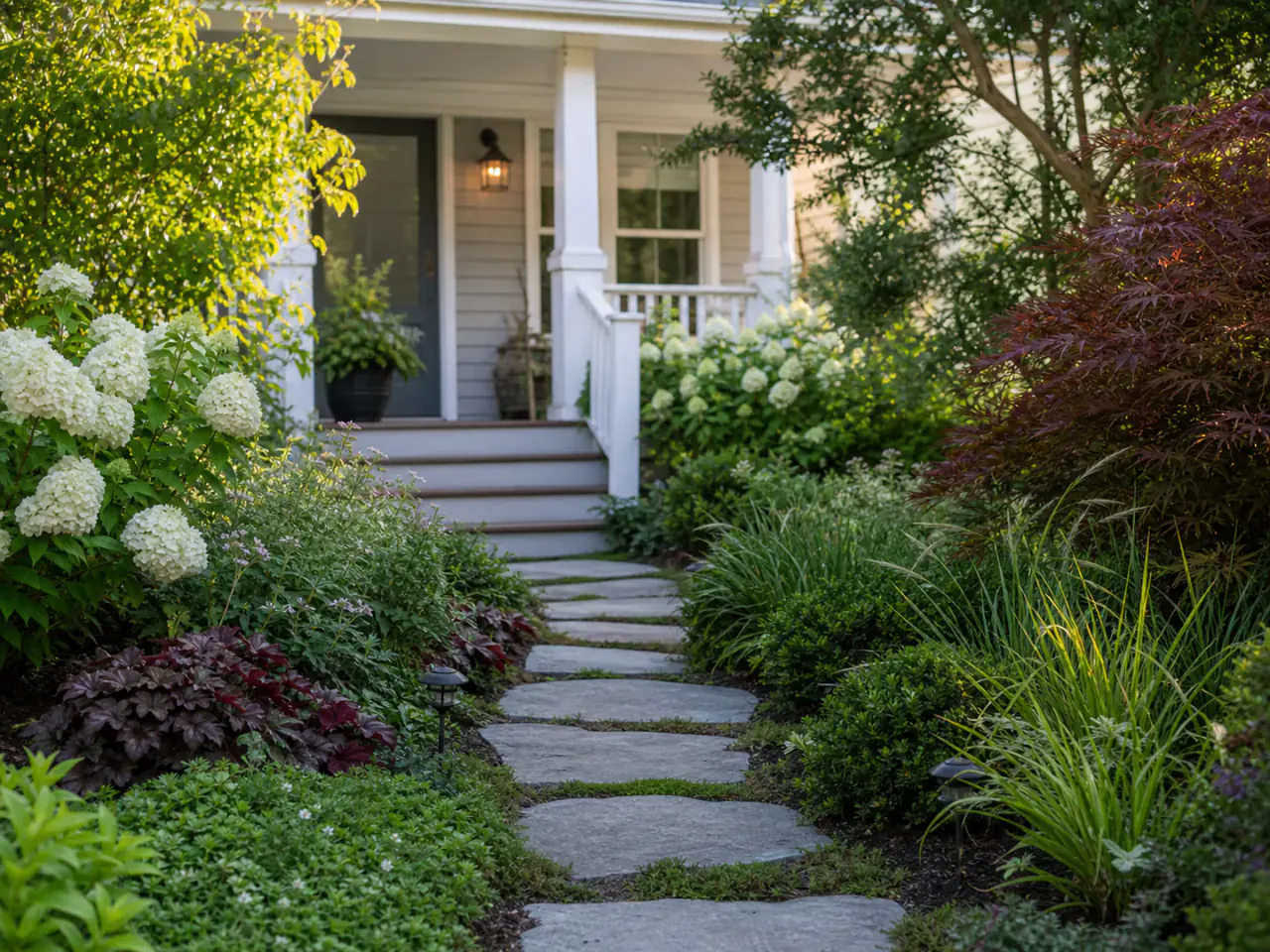
Contrast, paths, and planting should guide attention toward arrival instead of creating several competing focal points.
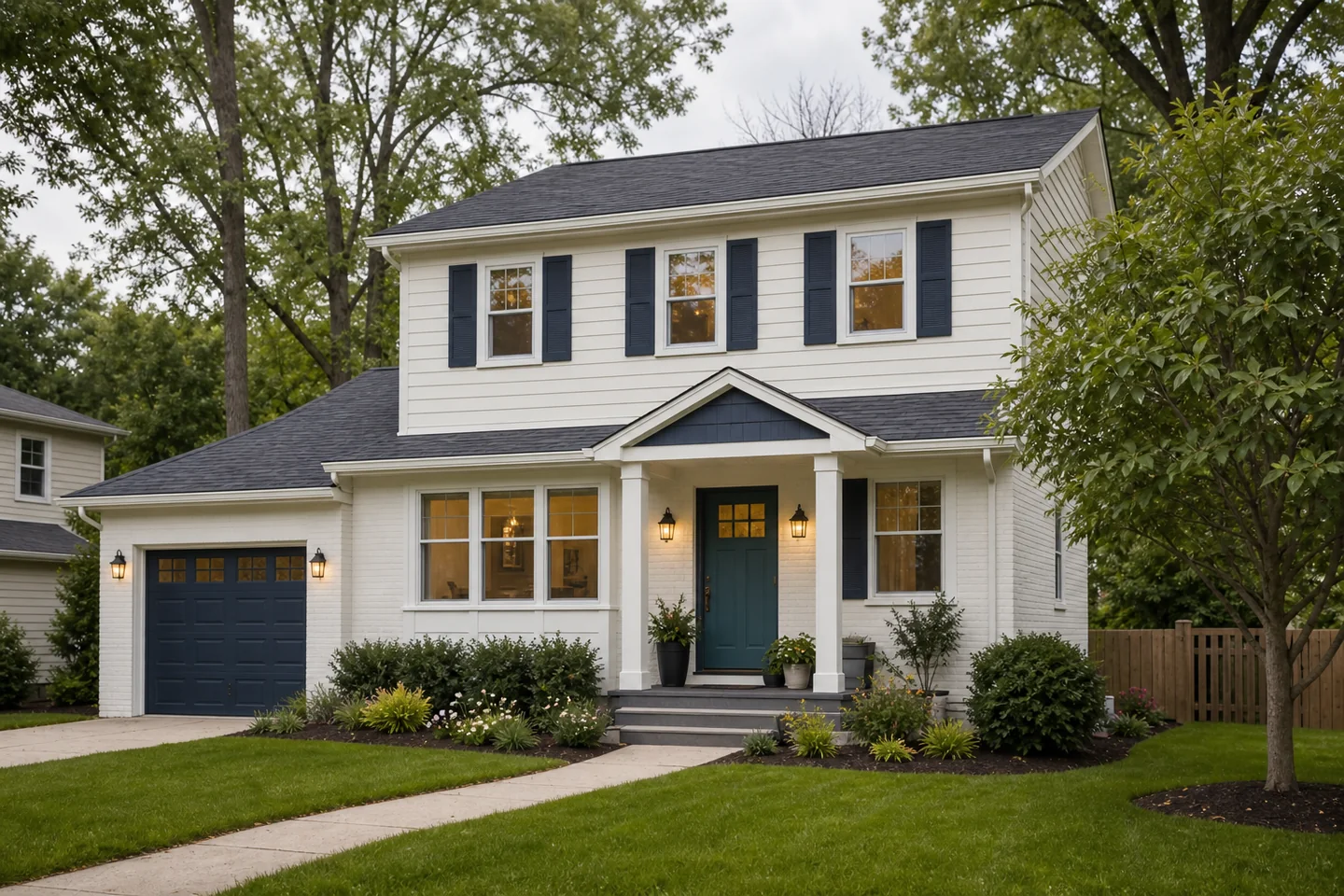
A coordinated direction often feels stronger than adding more decorative details to every available surface.
How it works
Show the full area you want to explore, with the home and important surroundings in view.
Start with one renovation question so the visual is easier to compare and refine.
Save promising ideas, test alternatives, and use the result to clarify the real project brief.
Improve the hierarchy
Curb appeal is usually improved by relationships, maintenance, and clarity—not decoration alone.
Usually the entrance or the architecture should lead, with planting supporting it.
Compare whether colors, bed shapes, edges, and decorative elements compete.
A beautiful concept still needs realistic pruning, watering, cleaning, and seasonal care.
Keep sightlines, paths, lighting, drainage, steps, and driveway movement functional.
Use the result responsibly
Use the visual to coordinate priorities across facade and landscape. Confirm all material, plant, access, drainage, and construction decisions locally.
Continue exploring
Frequently asked questions
Your home, with more possibilities
Upload a photo, compare a new direction, and decide what is worth exploring further.